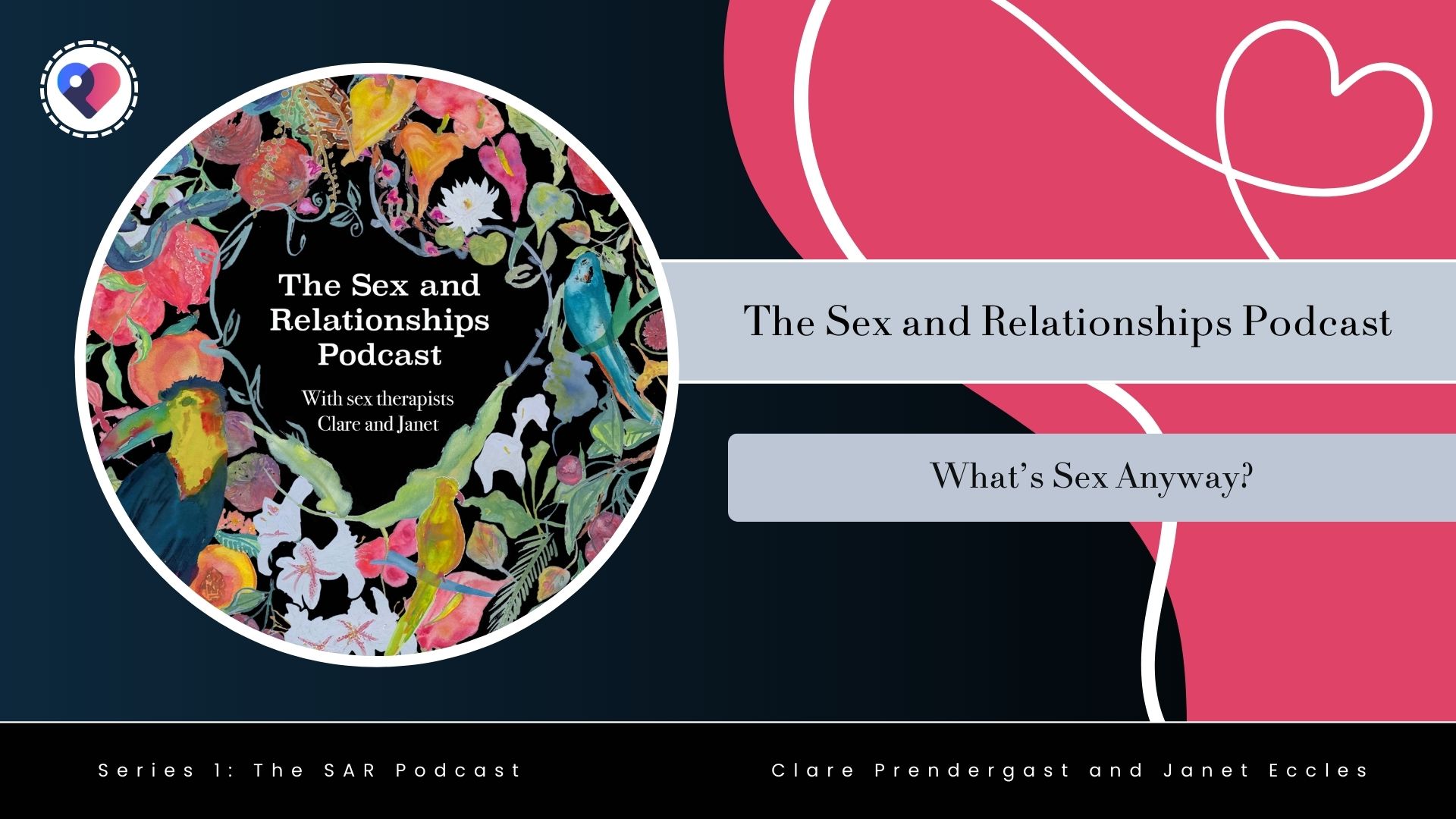
What is sex anyway?
The fundamentals about sex - why we do it and what’s it for you.
Authored by Thomas Andrew Porteus, MBCSOriginally published 8 Dec 2025
Meets Patient’s editorial guidelines
- DownloadDownload
- Share
- Language
- Discussion
- Ask Patient
- Audio Version
- Add to preferred sources on Google
In this series:Coming, ready or notLust or bustVictims and villainsMe-topia The Big O... Oh No!The arousal paradoxA dangerous liaison?Losing it!
Sex is everywhere, right? Clare and Janet kick off the season by discussing the fundamentals about sex… why do we do it and what is it for?!
This podcast contains explicit language and content of a sexual nature.
In the opening episode of the series, Clare and Janet dive straight into one of the biggest questions of all: what is sex anyway?
Drawing on years of experience as sex and relationship therapists, they explore why we have sex, what it means to different people and how our early beliefs, cultural messages and personal histories shape the way we understand intimacy. From “proper sex” myths to the pressure to be “normal”, they unpack the expectations that so often fuel anxiety, misunderstanding and relationship conflict.
Clare and Janet also talk openly about communication, mismatched desires, pleasure, fantasy, solo sex, and the many ways people connect physically and emotionally. They challenge the idea that sex has a single definition - instead encouraging listeners to think about what sex means to them, at different stages of life and in different contexts.
This first episode sets up the series with a simple but powerful idea: there’s no “right way” to do sex - only the way that’s true to you.
Patient picks for The Sex and Relationships Podcast
Sexual health
Sexual assault
This leaflet discusses sexual assault and sexual violence. If you are reading this leaflet it may be that you have experienced sexual violence, or that you are trying to offer support to someone who has experienced sexual violence. This leaflet describes feelings and difficulties survivors of sexual violence may experience. It offers some guidance on how they might help their recovery. It cannot hope to describe the way every survivor will feel. It discusses the things that survivors say have helped them and it tries to answer questions you might have about the physical and psychological effects of rape and sexual violence. It also offers suggestions on where to find support.
by Dr Toni Hazell, FRCGP
Treatment and medication
Refer yourself to NHS sexual health services
Self-referral can be used to access free NHS sexual health services without needing an appointment with your GP. This leaflet explains which services you can access.
by Dr Toni Hazell, FRCGP

Sexual health
Erectile dysfunction in your 20s and 30s - what causes it?
Erectile dysfunction is often associated with growing older, but it can affect people at any age. If you are in your 20s or 30s and find it difficult to get or keep an erection, you are not alone. It can be frustrating or upsetting, particularly if it feels unexpected, but it is often possible to identify contributing factors and find a treatment that helps. Stress, anxiety, and relationship difficulties can all affect erections. Physical health conditions, medicines, and lifestyle factors can also play a part. Understanding what might be behind the issue is the first step towards getting support.
by Thomas Andrew Porteus, MBCS

Sexual health
Safer sex
'Safer sex' usually refers to having sex in a way which reduces your risks of catching a sexually transmitted infection (STI).
by Dr Laurence Knott

Sexual health
Safeguarding your sexual health at university
Meeting new people and starting relationships is all a part of university life. But this newfound freedom brings its own risks – sexually transmitted infections (STIs) are higher among the under-25s than any other age group, according to 2016 figures from Public Health England.
by Danny Chadburn
Digestive health
How Crohn's disease can affect your sex life
Sex is a very important part of life for many of us. But those with inflammatory bowel disease (IBD) can find the condition makes getting intimate a little more challenging. We chat to Paula, who has Crohn's, about banishing blushes and not letting IBD get in the way of having a great time in the bedroom.
by Natalie Healey
About the authorView full bio
Authored by

Thomas Andrew Porteus, MBCS
HealthTech
MBCS
Thomas writes to inform, inspire, and equip practice leaders and health professionals navigating change, drawing on two decades of hands-on work across the UK health system.
Share your thoughts or experiences with others in our patient communities.
Sign up to the Patient newsletter
Your weekly dose of clear, trustworthy health advice - written to help you feel informed, confident and in control.
By subscribing you accept our Privacy Policy. You can unsubscribe at any time. We never sell your data.