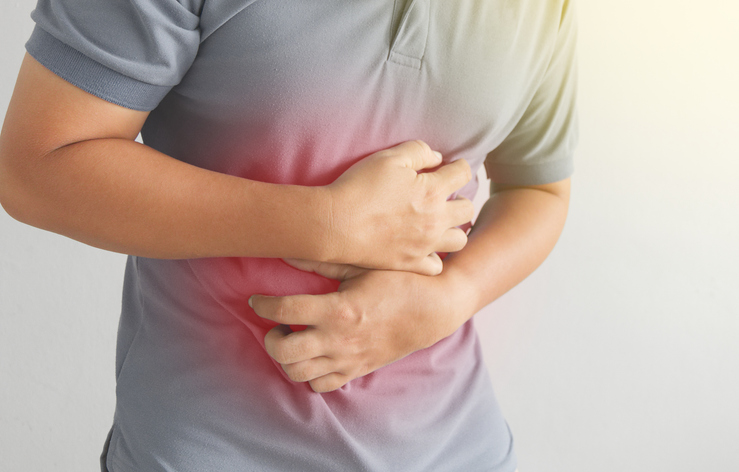
Left upper quadrant pain
Upper left abdominal pain
Peer reviewed by Dr Philippa Vincent, MRCGPLast updated by Dr Hayley Willacy, FRCGP Last updated 30 Mar 2026
Meets Patient’s editorial guidelines
- DownloadDownload
- Share
- Language
- Discussion
- Audio Version
- Add to preferred sources on Google
Left upper quadrant (LUQ) pain is pain located in the upper part of the abdomen on your left-hand side. There are many causes of LUQ pain.
Key points
Left upper quadrant (LUQ) pain is felt in the upper left section of the abdomen, under the ribs, and may radiate to the back or shoulder. It can be sharp, dull, or crampy.
Common cause include indigestion, constipation, gastroenteritis, kidney stones, swollen spleen, and pancreatitis. However there are many other possible causes.
Treatment for LUQ pain depends on the cause but may include pain relief, over-the-counter medicines such as antacids, and in severe cases surgery.
Where is my left upper quadrant?
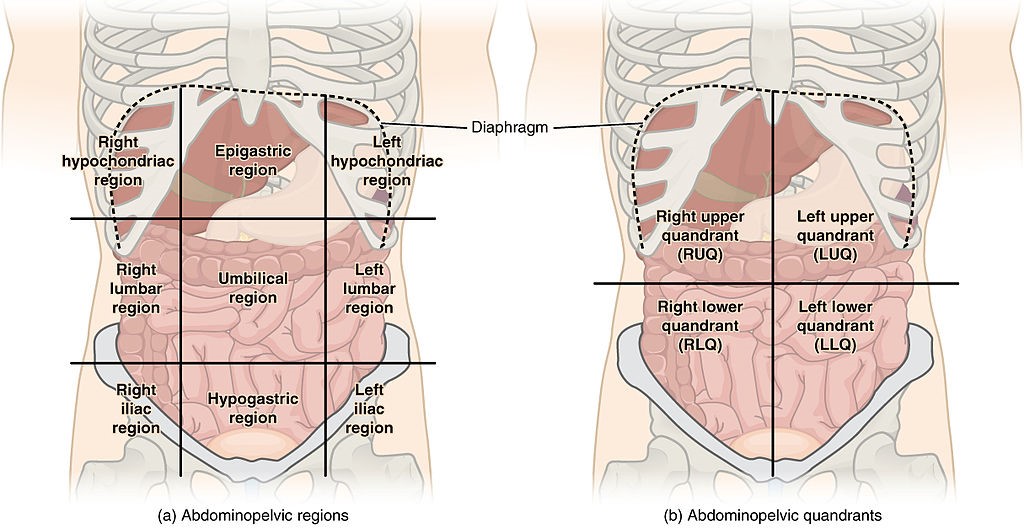
The left upper quadrant (LUQ) is a section of your abdomen.
Look down at your abdomen, and imagine that the area from the bottom of your ribs down to your pubic hair is divided into four quarters. The quarter on your left side closest to your ribs is your LUQ.
Abdominal Quadrant Regions
What organs are in my left upper quadrant?
The organs within your LUQ include:
Spleen.
Stomach.
Part of the pancreas.
Left kidney (at the back behind the other organs) and left adrenal gland.
Upper part of the large bowel (colon).
The aorta.
There are also the skin, muscles and nerves of that section.
Common causes of left upper quadrant pain
In adults, the most common causes of left upper quadrant pain are:
Indigestion.
Gastroenteritis.
Constipation.
Irritable bowel syndrome (IBS).
Stomach ulcers.
Shingles.
Swollen (enlarged) spleen.
Kidney stones and infection.
Pancreatitis.
These causes are discussed in detail below.
Gut problems
All sorts of common and uncommon problems to do with the upper and lower part of your guts can give you pain in this area. For example:
Indigestion (dyspepsia). You can get some pain in the upper part of your tummy associated with heartburn and acid reflux.
Gastroenteritis. Infections in your guts tend to cause pain all over your tummy, which is crampy and which is usually accompanied by diarrhoea and/or being sick (vomiting).
Constipation. If your guts are full of poo, this can cause discomfort anywhere in your tummy. You will normally be aware that you are not opening your bowels as often, and that your poo is hard.
Irritable bowel syndrome. This tends to cause pain lower down but can give pain anywhere in the tummy, especially as it often causes bloating. It comes and goes and may be associated with diarrhoea and/or constipation.
Stomach ulcers. The pain may feel like indigestion. Antacids may ease the pain for short periods of time. The pain can be severe and associated with vomiting. Some complications of stomach ulcers require emergency treatment.
Diverticulitis. This is inflammation of a pouch or pouches which people who have diverticular disease have in their guts. Usually the pain from diverticulitis is lower in the abdomen, but sometimes it can be felt higher up. It usually comes with a temperature (fever) and a change in your bowel habit.
Crohn's disease and ulcerative colitis. These are long-term conditions which can cause pain anywhere in the tummy. They usually cause loose stools, sometimes with blood.
Shingles
Shingles can cause pain in the upper left abdomen because it affects the nerves in that area.
The pain is usually on one side of the body, under the ribs or around to the back, in a stripe-like pattern.
It often feels burning, sharp, or tingly, and the skin can be sore to touch.
A blistering rash usually appears a few days later in the same area.
The LUQ is a common place for a shingles rash.
Problems with the spleen
Your spleen is just behind your stomach, under and behind the lower ribs on your left. Its main functions are to filter your blood, create new blood cells and store platelets. It is also a key part of your body's immune system.
Pain in your spleen can be caused by:
A swollen spleen. This can happen in certain blood-related cancers such as leukaemias and lymphomas, and can also occur during infections such as glandular fever. The pain is felt as a vague ache which may gradually get worse.
A ruptured (burst) spleen. This can happen following an injury, such as in a road traffic accident or falling heavily onto handlebars of a bike. This causes a sudden severe pain shortly after significant injury to the abdomen.
If you have sickle cell disease and are having a sickle cell crisis.
Kidney stones and infections
Kidney stones can cause a severe pain around the left-hand side of the LUQ, or in your back (loin), but the pain may spread and involve the front of the abdominal area.
A kidney stone or infection can cause pain anywhere along your urinary tract. So this could be anywhere from the loin in your back, around to the front, the LUQ, or down to below your belly-button.
It may also be associated with a fever, pain when you wee, or going to the loo more frequently.
Pain coming from the aorta
The aorta is the main blood vessel that carries blood from the heart through the stomach to the rest of the body. Pain coming from the aorta can be caused by:
Aortic aneurysm. The aorta becomes swollen and weakened and may cause stomach or back pain if it starts to leak.
Aortic dissection. The aorta can develop a tear in a weakened area of the lining of the aorta.
Aortic rupture. The aorta bursts, causing very severe pain in the stomach, back or chest, and feeling very unwell.
Any pain which is suspected to come from the aorta is a medical emergency and needs immediate treatment.
Pain coming from the pancreas
The pancreas sits in the upper middle part of the abdomen and helps digest food and control blood sugar. Pain in the pancreas can be caused by:
Pancreatitis (inflammation). This can cause upper stomach pain, nausea, and vomiting. Pain may be felt in the middle or on the left. In acute pancreatitis there is usually also a fever and you may feel very unwell in yourself.
Pancreatic cancer. This can cause upper stomach or back pain, but often causes few symptoms until it is advanced.
What are the other possible causes?
As well as the causes described above, many other conditions can cause LUQ pain. These include:
Problems with your heart. Conditions include a heart attack (myocardial infarction), angina or pericarditis. Call an ambulance immediately if you think you are having a heart attack.
Problems with your lungs. If there is an infection or condition affecting the lower part of your left lung or the diaphragm then you may feel pain in the LUQ. This includes pneumonia and pleurisy.
Problems in your spine or back. These can cause pain to be 'referred' so that you feel the pain around the front of your tummy (abdomen).
Diabetic ketoacidosis. A serious complication of type 1 diabetes that makes you very unwell generally, but occasionally stomach pain can be one of the symptoms.
Addison's disease. A complication of Addison's disease called an Addisonian crisis occasionally can give you stomach pain. Again you would be unwell in other ways other than the pain.
Acute porphyria. These are a group of rare, inherited disorders of liver chemistry which are characterised by attacks of pain and other signs of distress such as weakness, seizure and confusion.
Pain which is referred from the pelvis, which is below the belly-button (umbilicus). This can include conditions such as infections (pelvic inflammatory disease) or ovarian cysts. Again the pain in the LUQ area would usually be accompanied by one or more typical symptoms of these conditions.
Muscle sprains. Can affect the LUQ, particularly after an unusual exercise or activity. If this is the case, moving that particular muscle would make the pain worse, whereas if you lie completely still it wouldn't hurt.
What causes left upper quadrant pain in pregnancy?
Any of the above conditions can cause pain in the left upper quadrant whether you are pregnant or not, so you should always be checked out.
If the pain is from pregnancy, it can be caused by:
Ectopic pregnancy. This can cause upper quadrant pain if it bleeds inside the abdomen, and this is a medical emergency.
Pressure from the growing womb. The uterus can press on nearby organs and the diaphragm, causing discomfort.
Indigestion. This is common in pregnancy and can cause upper abdominal pain.
Urinary tract infections (UTIs). These are more common in pregnancy and can also cause pain.
What causes left upper quadrant pain in children?
In young children it is often quite difficult for them to show exactly where the pain is. If this is the case, the field of options widens to almost any cause of tummy ache.
In children, common causes include:
Constipation. Hard or infrequent poos can cause stomach ache.
Anxiety. Stress or worry can sometimes cause pain in the stomach.
Gastroenteritis. Stomach infections can cause pain, vomiting, or diarrhoea.
Mesenteric adenitis. In children with viral infections such as colds, glands within the stomach can become inflamed giving them stomach ache.
Appendicitis. Usually this gives pain in the lower right part of the tummy, but if a child can't show you exactly where the pain is, or if the appendix has burst (ruptured), appendicitis may be a possible diagnosis to consider.
Pneumonia. Infections in the lower parts of the lungs can cause pain in the stomach.
In addition, many of the adult causes listed above may cause LUQ pain in children.
Should I see a doctor for left upper quadrant pain?
Yes, if you have a pain which doesn't settle, you will probably need to see a health professional to help work out the cause.
See a doctor urgently if:
Your pain is very severe.
You have recently lost weight without trying or have lost your appetite.
You are bringing up (vomiting) blood, or have blood in your poo (including a very dark coloured poo which can be caused by old blood high up in the gut).
You have a high temperature with shaking (rigors).
You feel short of breath.
You are having difficulty swallowing food. You may feel food is getting "stuck" in your food pipe (oesophagus) when you swallow, or feel pain in your lower throat or chest when you swallow food.
How is left upper quadrant pain diagnosed?
The doctor will usually be able to get a reasonable idea of the cause for the pain by:
Asking you some questions including where the pain is and what it feels like.
Physically examining you by feeling your stomach in the area you have the pain.
Examining other parts of your body such as the rest of your stomach and your chest.
Getting you to provide a sample of urine, to rule out kidney problems.
Asking for a pregnancy test to check you are not pregnant.
Asking you to provide a poo (stool) sample to look for infection in the stomach.
Are any tests needed?
In some cases further tests will be needed, these might include:
Blood tests to check the function of some of your organs, or look for inflammation or possible infection.
A heart tracing (electrocardiogram, or ECG) and/or chest X-ray (if a heart or lung problem is suspected).
A gastroscopy (if a problem with your stomach or upper bowel is suspected).
A computerised tomography (CT) scan or an ultrasound scan may be helpful to look at your spleen, pancreas or kidneys.
Further tests include other 'scopes' (such as a colonoscopy or endoscopic retrograde cholangiopancreatography (ERCP) and other scans (such as a magnetic resonance imaging (MRI) scan).
It is very unlikely that you may need all these tests, and some people may not need any.
Treatment for left upper quadrant pain
The treatment for LUQ pain depends on the cause. Treatments for a few of the common causes are briefly discussed below.
Gut problems: Many of these problems can be managed at home with advice from your pharmacist or GP. See individual leaflets for further advice.
Problems with the spleen: These problems usually involve specialist treatment in hospital according to the cause.
Shingles: Treatment for shingles depends on how severe your symptoms are and whether you're at risk of complications. If you have a mild rash you may not need any treatment.
Kidney stones: Most kidney stones are small enough to be passed out in your pee and can probably be treated at home with pain relief.
Kidney infections: The main treatment for a kidney infection is antibiotic tablets, which you'll usually take for 7 to 14 days.
Acute pancreatitis: involves hospital admission for supportive care such as intravenous (IV) fluids, strong pain relief, and fasting (or specialised feeding) to rest the pancreas.
What is the outlook?
The outlook for LUQ pain depends entirely on the cause. Your doctor should be able to give you an idea of the outlook once a diagnosis has become clear.
Frequently asked questions
Are everybody's organs in the same place?
In almost everyone, organs are in the same place. Very rarely, they can be on the opposite side - this is called situs inversus, which can change where pain is felt. This means typical causes of right upper quadrant pain can give you pain on the left.
Can upper left upper quadrant pain be caused by trapped wind?
The symptoms of trapped wind can sometimes feel severe and cause serious concern. Gas in the stomach or left side of the colon can result in LUQ (or chest) pain, and on rare occasions trapped wind pain can even be mistaken for a heart attack.
Can stress or anxiety cause upper left upper quadrant pain in adults?
Yes, stress and anxiety are common causes of upper left abdominal pain. The connection between brain and gut causes stress hormones like cortisol and adrenaline to trigger physical symptoms, including muscle tension, spasms, and cramping in the stomach area. This often manifests as tightness, pain, or a "nervous stomach".
Patient picks for Abdominal pain

Digestive health
Stomach ulcer
Stomach ulcers (also called gastric ulcers) are breaks in the lining of the stomach that develop due to damage. They can cause a burning or gnawing pain in the top and middle of the abdomen. Treatments include acid-suppressing medication and avoiding trigger foods.
by Dr Philippa Vincent, MRCGP

Digestive health
Appendicitis
Appendicitis is inflammation of the appendix, a small pouch on the gut wall connected to the large intestine. It is a medical emergency as, left untreated, the appendix can burst or perforate.
by Dr Colin Tidy, MRCGP
Further reading and references
- Yew KS, George MK, Allred HB; Acute Abdominal Pain in Adults: Evaluation and Diagnosis. Am Fam Physician. 2023 Jun;107(6):585-596.
- Reust CE, Williams A; Acute Abdominal Pain in Children. Am Fam Physician. 2016 May 15;93(10):830-6.
- Blomerus S, Splinter TL, Gillis A, et al; Implementation of an acute abdominal pain diagnostic pathway in the emergency department. BMJ Open Qual. 2025 Aug 19;14(3):e003505. doi: 10.1136/bmjoq-2025-003505.
- Suspected cancer: recognition and referral; NICE guideline (2015 - last updated April 2026)
About the authorView full bio
Updated by

Dr Hayley Willacy, FRCGP
General Practitioner, Medical Author
MBChB (1992), DRCOG, DFFP, MRCOG (Part 1) MRCGP (2007), DFSRH (2013), MSc - medical education (2020)
Dr Hayley Willacy was an NHS GP working in northwest England, who retired from clinical practice in 2022 after 30 years.
About the reviewerView full bio

Dr Philippa Vincent, MRCGP
General Practitioner, Medical Author
MB BS, Bsc, MRCGP (2000), DCH, DFSRH, DRCOG
Dr Philippa Vincent is an NHS GP working in North London.
Join the conversation
Share your thoughts or experiences with others in our patient communities.

Ask, share, connect.
Browse discussions, ask questions, and share experiences across hundreds of health topics.

Feeling unwell?
Assess your symptoms online for free
Sign up to the Patient newsletter
Your weekly dose of clear, trustworthy health advice - written to help you feel informed, confident and in control.
By subscribing you accept our Privacy Policy. You can unsubscribe at any time. We never sell your data.