- Health topics
- Bones, joints and muscles

Bones, joints and muscles
Arthritis
The back bone's connected to the neck bone, which is connected to joints, muscles and a whole skeletal system composed of cartilages, ligaments and other tissues. Like any building, a body is only as solid as it's structural core, so read our expert information on how to prevent yours from crumbling.

Arthritis
Arthritis is a term used to describe inflammation or swelling of one or more joints. It commonly causes joint pain, stiffness, and reduced mobility. There are over 100 different types, but the most common are osteoarthritis (joint wear) and rheumatoid arthritis (immune system attack).
Back pain
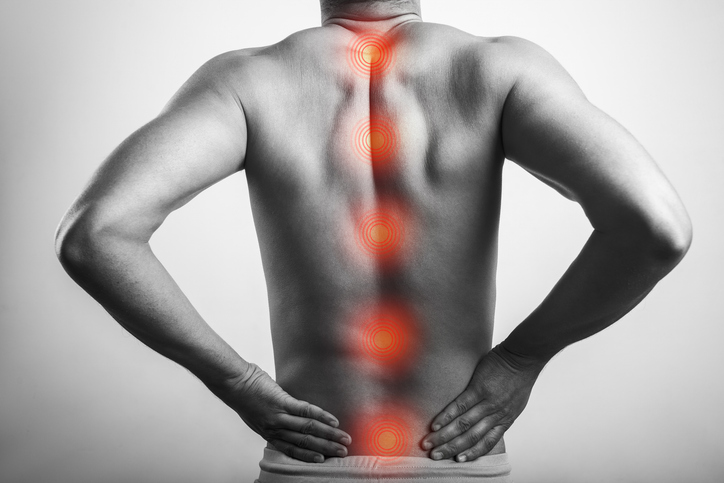
Back pain is most commonly caused by a pulled or strained muscle, tendon, or ligament from improper lifting, poor posture, or a sudden awkward twist. Other frequent reasons include age-related wear, a herniated disc, sciatica, or underlying conditions like arthritis.
Bone disorders
Bone disorders are conditions that weaken, deform, or otherwise alter bone tissue, making bones fragile and prone to fractures. They range from common age-related loss of bone mass (osteoporosis) to genetic conditions, infections, and cancers.
Connective tissue disorders
Connective tissue disorders (CTDs) are a broad group of conditions that affect the bodily tissues responsible for supporting and holding organs together. Common symptoms include joint pain and swelling, fatigue and skin rashes,
Fractures
A fracture is a medical term for a broken or cracked bone. It occurs when a physical force or medical condition exceeds the bone's breaking point. While bones are naturally rigid, extreme trauma or long-term stress can cause them to break partially or completely.
Joint pain
Joint pain is a common issue typically caused by injury, overuse, or conditions like arthritis. While mild aches can often be managed at home, persistent or severe pain requires medical evaluation.
- Anaesthetic for hip or knee replacement
- Arthritis
- Dislocation
- Frozen shoulder
- Ganglion
- Greater trochanteric pain syndrome
- Hip problems
- Housemaid's knee
- Joint pain
- Knee and kneecap pain
- Mallet finger
- Olecranon bursitis
- Rotator cuff injuries and disorders
- Shoulder pain
- Temporomandibular Joint Disorder (TMD)
- Tennis elbow
Knee pain
Knee pain is typically caused by acute injuries (like ligament tears or meniscus damage), repetitive overuse (such as tendonitis or runner's knee), or degenerative conditions like osteoarthritis.
Limb weakness and numbness
Numbness and tingling in the limbs is a common symptom usually caused by nerve or circulation issues. While "pins and needles" from sitting awkwardly is harmless, persistent or spreading sensations require medical evaluation.
Muscle problems
Muscle issues range from minor strains and cramps to chronic conditions and neuromuscular disorders. Common causes include overuse, injury, vitamin deficiencies, or autoimmune diseases.
Neck and spine disorders
Neck and spine disorders encompass a wide range of conditions affecting the cervical (neck) and spinal areas, commonly caused by age-related wear and tear, injuries, or poor posture.
Sports injuries
Sports injuries are generally caused by overuse, direct impacts, or poor technique. They occur when physical exertion places a demand on muscles, joints, or bones that exceeds their structural limits.